Kanchenjunga North Base Camp Trek Overview
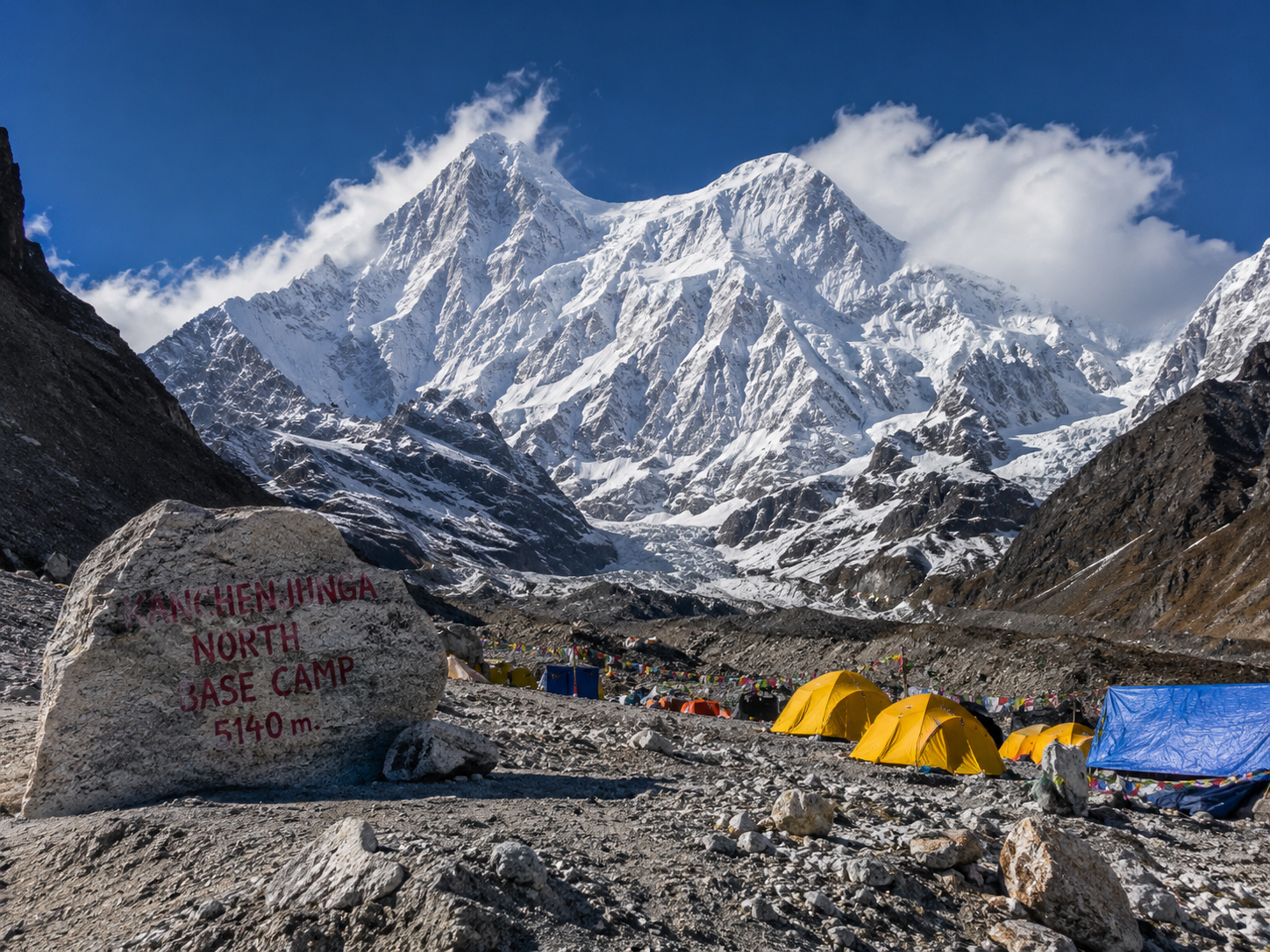
Kanchenjunga, the world’s third-highest mountain, is located in Eastern Nepal and is a true Himalayan gem. The Kanchenjunga North Base Camp Trek is a challenging but rewarding trek that takes you to the base of this magnificent peak. This trek offers a unique opportunity to explore the remote and rugged landscapes of Eastern Nepal, surrounded by towering mountains and pristine nature.
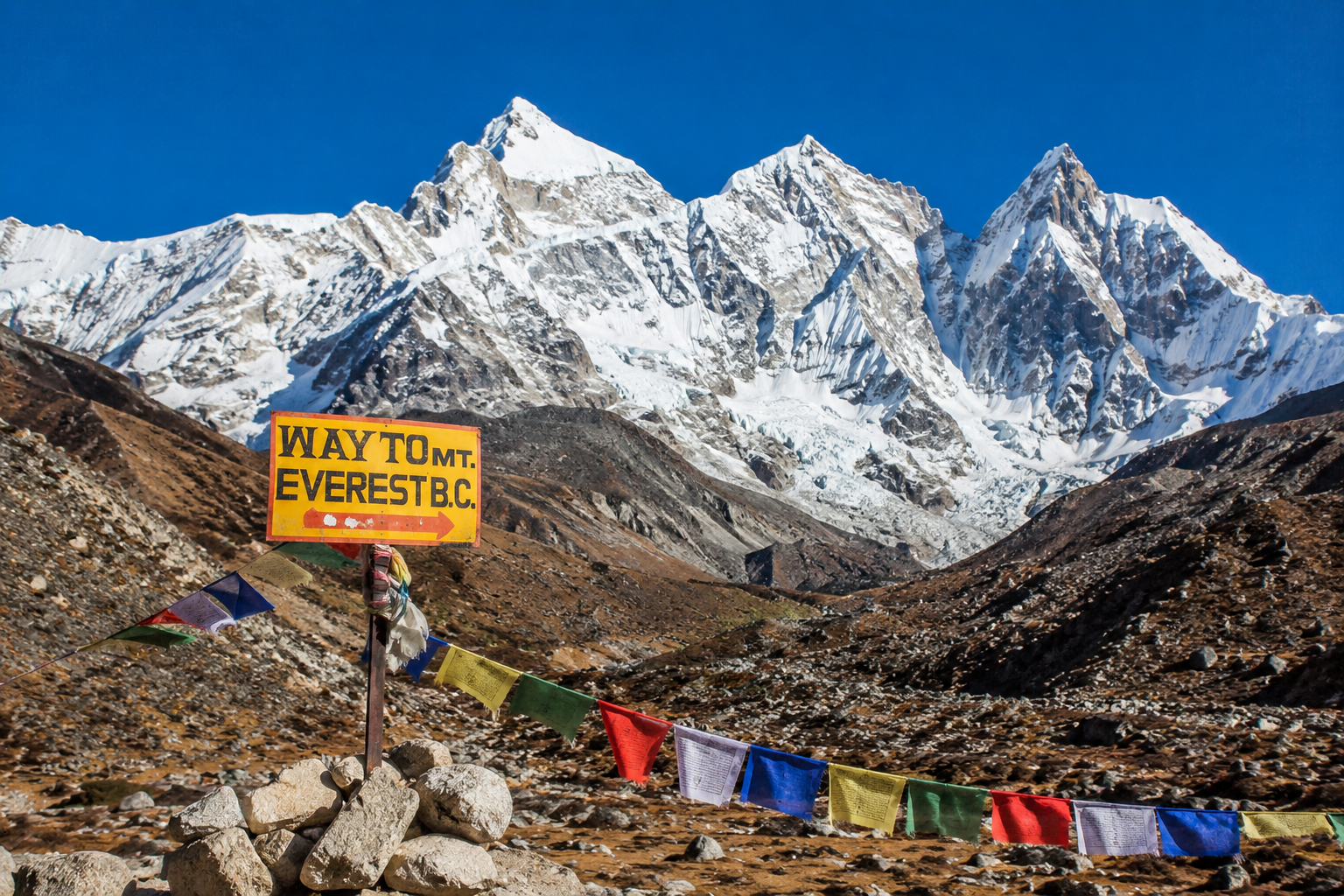
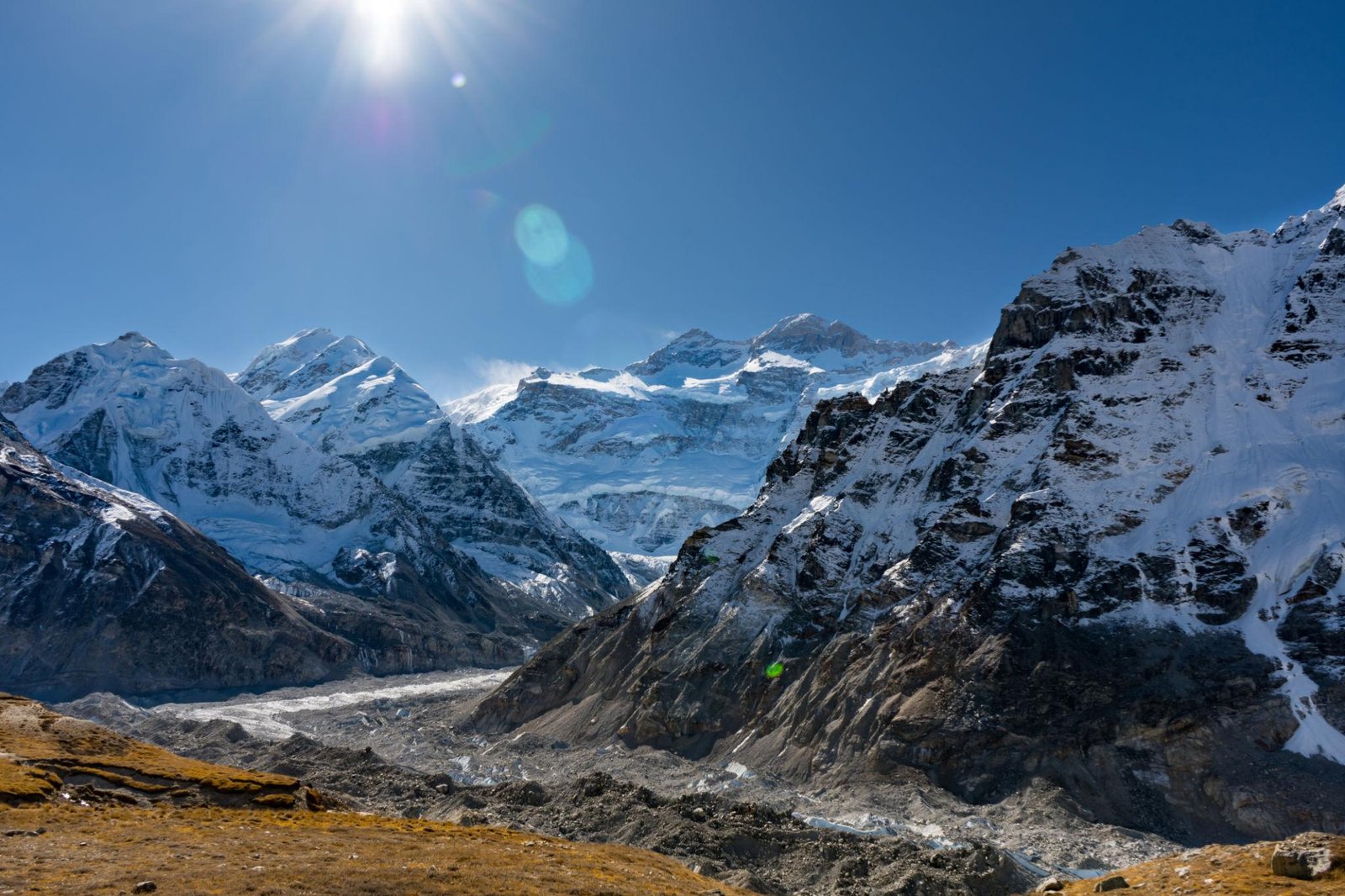
One of the highlights of the Kanchenjunga North Base Camp Trek Itinerary is the stunning panoramic views of the Kanchenjunga massif and its surrounding peaks. This trek offers unobstructed views of the mountains, making it a photographer’s paradise. Kanchenjunga North Base Camp Trekking also takes you through several high-altitude passes, providing an adrenaline rush as you traverse these challenging trails. Along the way, you will encounter diverse cultures and encounter the friendly local communities that inhabit these remote regions. You will embark on a journey that will take you through traditional villages, dense forests, and high-altitude alpine pastures.
The Kanchenjunga North Base Camp Trek is a strenuous trek that requires a good level of fitness and acclimatization. The trek typically takes 20 days to complete, depending on your pace and the route you take. It is essential to be well-prepared and equipped for this trek, as you will be trekking in remote areas, where medical facilities are limited. All seasons are suitable for the Trek to Kanchenjunga North Base Camp, although the ideal times to go are from March to May and from September to November.
While there is a little more color and rhododendron flowering in the spring, the sky is often cleaner in the autumn, respectively. One of the benefits of doing the Kanchenjunga North Base Camp Trek is that it is still a relatively untouched and unspoiled region, making it an ideal destination for nature lovers and adventure seekers. The Kanchenjunga North Base Camp Trek is a perfect opportunity to escape the crowds and experience the raw beauty of the Himalayas.
The Kanchenjunga North Base Camp Trek Itinerary will start after a domestic flight from Kathmandu to Bhadrapur. The physical trip into the Limbu communities in the Tamor Valley begins after you take a jeep or bus from Bhadrapur to Taplejung. After a few days of walking through rhododendron forests, villages, and Buddhist settlements, Phale and Ghunsa were eventually reached. Before starting the path to the North Kanchenjunga base camp, your Kangchenjunga North Base Camp Trek Itinerary will let you stay here for two lovely nights.
You will have the closest view of Mt. Kanchenjunga (8586m), Mt. Jannu (7710m), Kirat Chuli (7365m), Pathibara (6825m), Drohmo (6540m), Gimmigela (7350m), and a few unnamed virgin peaks during the following two days of hiking through the glacier valley and at the foot of high summits. Beyond the Ghunsa hamlet, the alpine plateaus of Kangpachen, Lhonak, and Pangpema are completely uninhabited and only have a local open teahouse during the busiest trekking season.
Retracing to Taplejung after summiting Kanchenjunga North Base Camp, with the choice to fly or drive back to Kathmandu, is followed by a trip back to Bhadrapur. You should select the Kanchenjunga circuit trek if you are seeking more adventure and want to cross high passes that provide breathtaking views of Mount Everest and Makalu.
Ready to book the Kanchenjunga North Base Camp Trek? We at Trekhimal Expedition Pvt Ltd and Research Hub are pleased to present our well-planned Kanchenjunga North Base Camp Trek Detailed Itinerary, which will give you the experience of a lifetime. Booking is now available for 2026 and 2027. Based on your time, budget, and endurance, we are willing to modify this package to meet your requirements. For more questions regarding the Kanchenjunga North Base Camp Trek Package Cost, please don’t hesitate to contact us.
What You Can Expect from Kanchenjunga North Base Camp Trek?
The Kanchenjunga North Base Camp Trek is a challenging and rewarding experience that offers a diverse range of experiences. Here are some of the things you can expect from the trek:
- The trek offers breathtaking views of the Himalayan mountain range, including Kanchenjunga, the world’s third-highest peak.
- You can expect to traverse through remote and rugged landscapes, including forests, high-altitude passes, and alpine pastures, which are unspoiled and pristine.
- The trek takes you through traditional villages where you can encounter and learn about the local cultures and lifestyles.
- You can expect to face physical challenges as you traverse several high-altitude passes, including challenging trails and steep inclines.
- You can expect to create memories that will last a lifetime, including sunrise and sunset views, cultural encounters, and the experience of reaching the Kanchenjunga North Base Camp.
- You can expect to escape the crowds and immerse yourself in nature, as the Kanchenjunga region is still relatively untouched.
- You can expect to experience genuine Nepalese hospitality from the local communities, which are known for their warm and welcoming nature.
Is Kanchenjunga North Base Camp Trek Suitable For You?
The Kanchenjunga North Base Camp Trek is suitable for individuals who are physically fit and have a love for adventure and nature. Here are some factors to consider when deciding if the trek is suitable for you:
- The trek involves a significant amount of hiking and climbing, so a good level of physical fitness is required.
- The trek takes you to high-altitude passes and the Kanchenjunga North Base Camp, which can be challenging for some individuals. You should be prepared to acclimate to the altitude and take necessary precautions to avoid altitude sickness.
- The Kanchenjunga North Base Camp Trek is a challenging adventure that requires a sense of adventure and a willingness to push your limits.
- The trek takes you through remote and rugged landscapes, so love for nature and the outdoors is essential.
- The trek takes you through traditional villages where you can encounter and learn about the local cultures and lifestyles. An open and respectful attitude towards different cultures is essential.
If you are physically fit, have a love for adventure and nature, and are open to cultural experiences, then the Kanchenjunga North Base Camp Trek is likely suitable for you. Before embarking on the trek, it is recommended to consult with your doctor and ensure that you are fully prepared for the physical and mental demands of the trek.
Preparation for Kanchenjunga North Base Camp Trek
Proper preparation is essential for the successful completion of the Kanchenjunga North Base Camp Trek. Here are some key steps to prepare for the trek:
- Physical training: To ensure that you are physically prepared for the trek, it is recommended to engage in regular exercise, including hiking and cardio, in the months leading up to the trek.
- Altitude acclimatization: The Kanchenjunga North Base Camp Trek takes you to high-altitude passes and the base camp, so it is important to acclimate to the altitude before the trek. You can do this by gradually increasing your altitude exposure through trekking and hiking, or by visiting high-altitude locations.
- Pack appropriately: Make sure to pack appropriately for the trek, including warm clothing, a good pair of hiking boots, a sleeping bag, and other necessary equipment. Consult with your trekking company or guide for a comprehensive packing list.
- Get travel and medical insurance: Travel and medical insurance are essential for the trek, as the Kanchenjunga region is remote and access to medical facilities can be limited.
- Learn about the local culture and customs: Before embarking on the trek, take the time to learn about the local culture and customs, including language and customs, to ensure that you are respectful and mindful of the local communities.
- Mentally prepare yourself: The Kanchenjunga North Base Camp Trek can be physically and mentally challenging, so it is important to mentally prepare yourself for the experience. Set realistic expectations and focus on the journey, rather than just the destination.
Proper preparation is essential for the successful completion of the Kanchenjunga North Base Camp Trek. Take the time to prepare physically, mentally, and logistically to ensure that you have a safe and enjoyable experience.
Useful Info
Kanchenjunga North Base Camp Trek Best Time, Season, Months
The best time to go on the Kanchenjunga North Base Camp Trek is from March to May and from September to November. During these months, the weather is clear, providing stunning views of the surrounding peaks, and the temperature is mild, making the trek more comfortable.
- March to May: This is the spring season, and the weather is mild with occasional rain. The rhododendron forests in the region are in full bloom during this period, providing a picturesque backdrop for the trek.
- September to November: This is the autumn season, and the weather is typically dry and clear, offering stunning views of the mountains and good trail conditions. This is also the peak trekking season, and the trails are busier than in other months.
It is important to note that the weather in the Kanchenjunga region can be unpredictable and can change quickly, so it is essential to be prepared for all weather conditions, including cold and wet weather. The best time to go on the Kanchenjunga North Base Camp Trek is from March to May and from September to November. During these months, the weather is clear, and mild, and provides stunning views of the surrounding peaks. However, it is important to be prepared for all weather conditions and to be flexible with your trekking plans.
Food or Meal Availability on Kanchenjunga North Base Camp Trek
It is simple to meet your needs in the Kanchenjunga region because the food options are plentiful. We can accommodate your needs if you let us know in advance if you are a vegetarian or vegan, gluten-free, or lactose-free. Although lunch and dinner are not included when you are staying at the hotel in Kathmandu, breakfast is. We will serve you 18 breakfasts, 16 lunches, and 17 dinners throughout the Kanchenjunga North Base Camp Trek. You may have standard Nepali cuisine as well as continental, Italian, Tibetan, and Indian cuisine at this teahouse trek. The local cook will prepare all of the meals using ingredients from the area, ensuring a distinctively regional flavor. The only complimentary meal in Kathmandu is breakfast, however before departure and upon arrival, our firm hosts a welcome dinner. While you are in the mountains, breakfast, dinner, and lunch will be provided at the tea house where you spend the night. You may choose to have every complementary meal with a cup of tea or coffee.
Accommodation Facility on Kanchenjunga North Base Camp Trek
The accommodation on the Kanchenjunga North Base Camp Trek is basic, with most nights spent in local lodges or tea houses. The facilities in these lodges are simple, with shared rooms, hot showers, and basic dining rooms. The accommodation on the trek is designed to be functional, rather than luxurious, and is an important part of the overall trekking experience. It provides a unique opportunity to connect with local communities, taste traditional foods, and learn about the local culture and customs. Some lodges also have to charge facilities for electronic devices, but it’s best to bring a portable battery pack, as charging can be unreliable in remote areas. It’s also important to note that the facilities on the trek will be more basic at higher altitudes, and trekkers should be prepared for this and plan accordingly.
Kanchenjunga North Base Camp Trek Difficulty Level
The Kanchenjunga North Base Camp Trek is considered to be a challenging trek due to its remote location, high-altitude passes, and rugged terrain. Here are some factors that contribute to the difficulty level of the trek:
- Altitude: The trek takes you to high-altitude passes and the Kanchenjunga North Base Camp, which can be challenging for some individuals. Altitude sickness is a real risk, and proper acclimatization is essential.
- Terrain: The terrain on the trek is rugged and often steep, requiring a good level of physical fitness and endurance.
- Weather: The weather in the Kanchenjunga region can be unpredictable and can change quickly, making the trek more challenging. Cold and wet weather can make the trek more difficult and can impact the trail conditions.
- Remote location: The Kanchenjunga North Base Camp Trek takes you through remote and isolated regions, which can be challenging for some individuals. Access to medical facilities and other resources can be limited.
- Duration: The Kanchenjunga North Base Camp Trek can take anywhere from 15 to 20 days, depending on the itinerary and route. The long duration of the trek, combined with physical exertion, can be challenging for some individuals.
However, despite the challenges, the trek is considered to be one of the most rewarding and scenic treks in the world. The stunning views of the Kanchenjunga range and the surrounding peaks, as well as the opportunity to encounter and learn about the local cultures and lifestyles, make the trek a unique and unforgettable experience.
Requirements of Travel Insurance on Kanchenjunga North Base Camp Trek
Travel insurance is an essential requirement for the Kanchenjunga North Base Camp Trek as it provides coverage for various emergencies and unexpected situations that may arise during the trek. Here are some of the key requirements for travel insurance on the Kanchenjunga North Base Camp Trek:
- Emergency evacuation: Your insurance should cover the cost of emergency evacuation in case of an accident, illness, or injury. The Kanchenjunga region is remote and access to medical facilities can be limited, so it is important to have insurance that covers the cost of evacuation.
- Medical expenses: Your insurance should cover the cost of medical expenses in case of an illness or injury. This includes hospitalization, medication, and any other medical expenses incurred while on the trek.
- Trip interruption: Your insurance should cover the cost of trip interruption in case you have to cancel your trek due to an emergency or unforeseen circumstances.
- Lost or stolen gear: Your insurance should cover the cost of lost or stolen gear, such as camera equipment, camping gear, and other personal items.
- Emergency Assistance: Emergency assistance coverage is important for the Kanchenjunga North Base Camp Trek, as it provides access to support and assistance in case of an emergency.
- Adventure Sports Coverage: Travel insurance for the Kanchenjunga North Base Camp Trek should include coverage for adventure sports, such as trekking and hiking, as these activities carry a higher risk of injury or illness.
It is important to note that travel and medical insurance requirements vary depending on the insurance company, so it is essential to carefully review the policy and ensure that it covers the specific needs and requirements of your trek.
Altitude Sickness and Remedies during Kanchenjunga North Base Camp Trek
Altitude sickness is a common problem during high-altitude treks such as the Kanchenjunga North Base Camp Trek. Altitude sickness occurs when the body struggles to adjust to the lower levels of oxygen at higher altitudes. Here are some remedies and preventive measures to avoid altitude sickness:
- Acclimatization: Gradual acclimatization is key to avoiding altitude sickness. This means taking sufficient time to adjust to the altitude changes and avoiding sudden and rapid ascents.
- Hydration: Staying properly hydrated is essential to avoid altitude sickness. It is important to drink plenty of water, especially when you first arrive at higher altitudes.
- Sleep: Getting enough sleep is important for proper acclimatization. Try to get at least 7-8 hours of sleep per night and avoid overexertion and physical exertion in the evenings.
- Medication: Certain medications, such as Diamox, can be used to help prevent altitude sickness. However, it is important to consult with your doctor before taking any medication.
- Descend: If symptoms persist, it is important to immediately descend to a lower altitude. Descending even a few hundred meters can provide significant relief from altitude sickness symptoms.
Kanchenjunga North Base Camp Trek Packing List, Gears, Equipment
When embarking on the Kanchenjunga North Base Camp Trek, it is important to pack carefully and bring all essential items. Here is a list of essential items to pack for the trek:
- Backpack: A sturdy and well-fitting backpack is essential to carry all your gear. Aim for a backpack with a capacity of at least 50 liters.
- Sleeping bag: A warm and comfortable sleeping bag is essential for camping overnight. A bag rated to -10°C is suitable for the Kanchenjunga North Base Camp Trek.
- Warm clothing: Pack warm clothing, including a down jacket, fleece, and insulated pants, for the colder temperatures at high altitudes.
- Rain gear: A waterproof and breathable rain jacket and pants are essential for protecting against the elements.
- Hiking boots: Good quality hiking boots are essential for the trek. Look for boots with good ankle support and grip.
- Headlamp: A headlamp is essential for navigating in the dark and for nighttime camping.
- First aid kit: A personal first aid kit should include essentials such as pain relief medication, blister treatment, and wound care items.
- Water bottle: A refillable water bottle is essential for staying hydrated on the trek.
- Snacks: Pack high-energy snacks, such as energy bars, dried fruit, and nuts, to maintain energy levels during the trek.
- Sun protection: Sunscreen, sunglasses, and a wide-brimmed hat are essential for protecting against the sun at high altitudes.
Highlights
- The trek offers breathtaking views of the Himalayan mountain range, including the world's third-highest peak, Kanchenjunga
- The trek takes you through remote and rugged landscapes, which are unspoiled and pristine, making it a perfect destination for nature lovers.
- The trek takes you through traditional villages where you can encounter and learn about the local cultures and lifestyles.
- The trek involves traversing several high-altitude passes, which can be challenging but also provide an adrenaline rush.
- The trek offers unobstructed views of the mountains, making it a photographer's paradise.
- The Kanchenjunga North Base Camp Trek is a unique adventure that offers a combination of challenging trails, stunning views, and cultural encounters.
- The Kanchenjunga region is still relatively untouched, making it an ideal destination for those seeking to escape the crowds.
- The trek culminates at the Kanchenjunga North Base Camp, providing an opportunity to experience the base of one of the world's highest peaks.
- The trek takes you through diverse ecosystems, including forests and alpine pastures, providing an opportunity to observe a variety of flora and fauna.
- The trek provides an opportunity to witness spectacular sunrise and sunset views from the high-altitude passes and the base camp.
- The local communities in the Kanchenjunga region are known for their warm hospitality, providing an opportunity to experience genuine Nepalese hospitality
- The Kanchenjunga North Base Camp Trek is a challenging trek that requires a good level of fitness, providing an opportunity for adventure seekers to push their limits
- The Kanchenjunga region holds spiritual significance for both Buddhists and Hindus, providing an opportunity to explore the rich cultural and spiritual heritage of the area.
- The Kanchenjunga North Base Camp Trek is an experience that will stay with you for a lifetime, providing an opportunity to create memories that will last a lifetime.