Everest Three Passes Trek – 18 Days
Everest Three Passes Trek – 18 Days
The Everest Three Passes Trek is an 18-day high-altitude adventure through Nepal’s Khumbu region. The route crosses three famous mountain passes: Kongma La (5,535 m), Cho La (5,420 m) and Renjo La (5,360 m). Along the way, the itinerary also visits Everest Base Camp, Kala Patthar, the Gokyo Lakes and traditional Sherpa settlements.
This is a strenuous trek suited to fit hikers with previous trekking experience. Long walking days, steep ascents and descents, and elevations above 5,000 metres make it more demanding than the classic Everest Base Camp route. In return, trekkers experience a varied circuit through the Khumbu, with broad mountain views and time in Sherpa communities.
Mountain Views and Sherpa Culture
The high passes and viewpoints offer changing views of the Everest range. Depending on weather and visibility, you may see Mount Everest, Lhotse, Nuptse, Ama Dablam, Pumori, Cholatse and Khumbutse.
The trail also passes through Sherpa villages and Buddhist sites. Prayer flags, mani walls, prayer wheels and monasteries are part of daily life in the region. Depending on the route in your itinerary, you may also visit Marlung, Thame and the Nangpa La Valley.
Wildlife in Sagarmatha National Park
Much of the route lies within Sagarmatha National Park, a UNESCO World Heritage Site. The park’s landscapes range from forested lower valleys to glaciers and high alpine terrain. Wildlife can be difficult to spot, but trekkers may see Himalayan tahr, musk deer, pheasants and other mountain species. Yaks are also a familiar sight on the trails and in local settlements.
Best Season for the Everest Three Passes Trek
The main trekking seasons are spring (March to May) and autumn (late September to November). Spring brings warmer days and, at lower elevations, seasonal wildflowers. Autumn often offers clear mountain views after the monsoon. Both seasons are popular, so trails and teahouses can be busy.
Conditions at high altitude can change quickly in any season. Snow, wind or poor visibility may affect pass crossings, so the itinerary should allow flexibility.
Food and Meals on the Trek
Teahouses along the route serve a mix of Nepali, Tibetan and familiar international dishes. Menus and availability vary by village and altitude.
Breakfast options may include porridge, muesli, eggs, pancakes, toast, Tibetan bread and hot drinks. Lunch and dinner choices often include dal bhat, noodles, soups, momos, pasta, rice dishes, potatoes and seasonal vegetables. Some teahouses also offer pizza, sandwiches and desserts.
Accommodation on the Everest Three Passes Trek
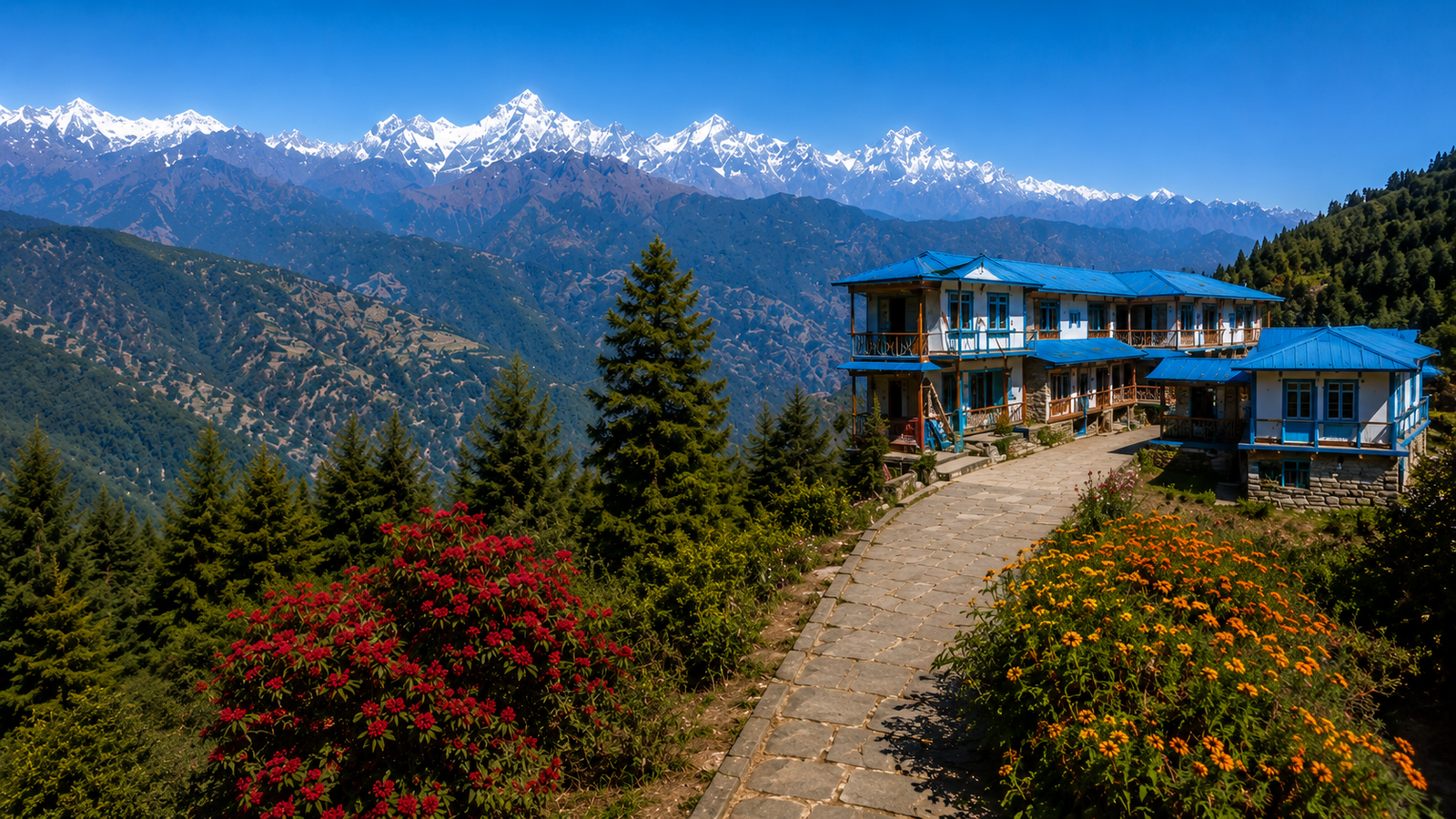
Accommodation is usually in local teahouses, with basic rooms, beds, mattresses, pillows and blankets. Bathrooms may be shared, particularly at higher elevations, and facilities can vary between villages.
Private rooms may be available in some locations. TrekHimal can arrange a private room for solo female trekkers at no extra cost, subject to availability and confirmation when booking.
Everest Three Passes Trek Difficulty
The Everest Three Passes Trek is a challenging, high-altitude trek. Each pass rises above 5,000 metres, and crossing them involves long days on steep, rocky and sometimes snowy terrain. Conditions on the trail can vary, especially around Cho La.
A good level of fitness and previous trekking experience are recommended. The itinerary includes acclimatization days in Namche Bazaar and other planned stops; review the day-by-day schedule before booking to check the elevation gains and walking times.
Travel Insurance
Before travelling, choose a policy that explicitly covers trekking at the elevations on this route. Check that it includes emergency helicopter rescue and medical evacuation in Nepal, and carry your policy details during the trek.
Altitude Sickness and Acclimatization
The Everest Three Passes Trek reaches high elevations, where altitude illness is a serious risk. The itinerary includes acclimatization days and a contingency day, but these cannot eliminate the risk. Follow your guide’s advice, ascend gradually and tell your guide promptly if you feel unwell. If symptoms worsen, do not continue to a higher elevation; descend and seek medical help. Ask a qualified health professional before using altitude medication such as Diamox.
Everest Three Passes Trek Packing Checklist
Here’s a general packing list of everything you should remember to carry on your EverestThree Passes Trek
- Inner Thermal (top and trousers)
- Socks and underwear
- Sunglasses, sun hat, woolen cap, or balaclava
- Inner and outer gloves
- Towel, flip-flop or rubber sandal, toiletries
- Water bottles and water purification tablets
- 4 season Sleeping bag
- Sleeping bag liner
- A sturdy pair of trekking boots with good ankle support
- Rucksack or daypack (30 liters) with a waterproof cover
- Trekking pants and waterproof trousers
- T-shirts or shirts
- Fleece jumper or jacket
- Headlamp, power bank, and extra batteries
- Down jacket
- Wind/ waterproof light jacket
- Sun protection cream, wet wipes, and hand sanitizer
Everest Three Passes Trek Guide and Safety
Throughout the journey, we assure the safety of our clients by following all safety regulations. The schedule for the three passes trek was created by travel experts and experienced guides who have walked this route several times. The appropriate number of rest days has been included in the plan to prevent AMS. Our guides are always equipped with a first-aid kit and a pulse oximeter. The guides who have been assigned to you have over ten years of expertise and know what to do in an emergency. They’ve had extensive outdoor first aid and crisis management training.
If a customer has AMS and has to descend to a lower elevation, an assistance guide will accompany them and observe safety procedures. He’ll keep a close watch on the client’s health and take the essential procedures to keep him safe. The guide will take the client back to the group if they are in good spirits following a night’s rest. If the client’s condition deteriorates, he or she will be transferred to Lukla or airlifted to Kathmandu for medical help.
Highlights
- This trip will take you through the Gokyo valley's five frozen lakes.
- While traversing these passes, you will have an exciting and challenging experience.
- In addition to the experience, you will gain an intimate understanding of the Sherpa culture in the Himalayas.
- From Kala Patthar (5,644 meters), you will have the best views of Mt. Everest along with the highest glacier on Earth- Khumbu Glacier (4900m
- Stunning vistas of the world's tallest peaks
- Exploring prayer wheels, colorful flags, Mani stones, and huge suspension bridges will astound you
- A diverse array of flora and animals, including musk deer, colorful pheasants, snow leopards, and Himalayan Thar, will astonish you.
- The three passes Kongma La (5535m), Cho La (5420m), and Renjo La (5464m) provide a breathtaking perspective of the Himalayas