Contact Us
-
Bhagwan Bahal Marga,
Thamel, Kathmandu - +977-9701525176
- trekhimaltour@gmail.com
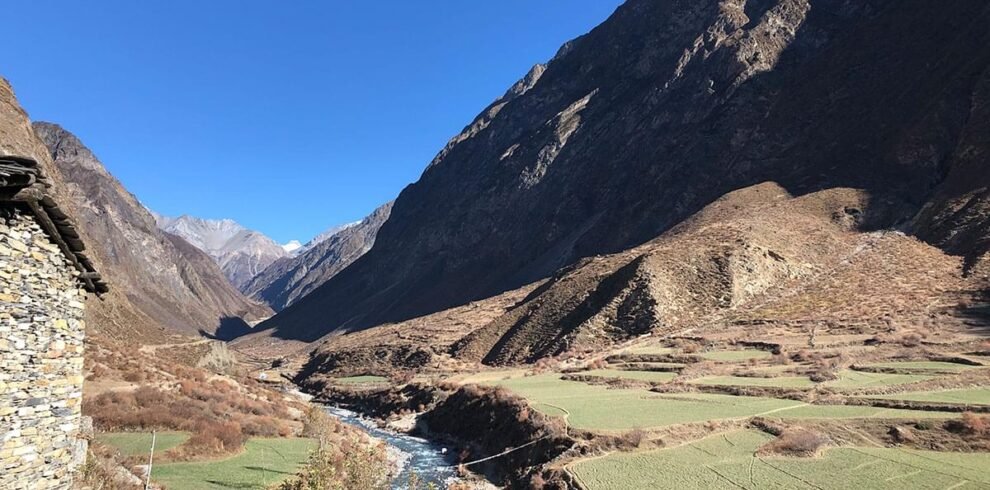
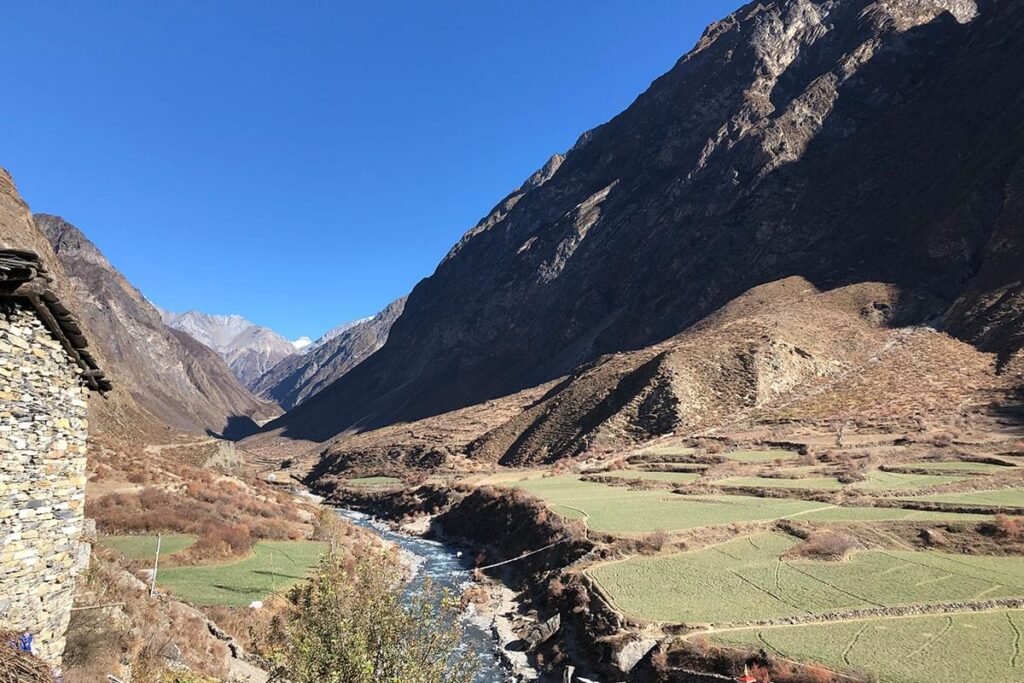
The Tsum Valley Trek is a unique and challenging experience that offers trekkers a chance to explore the hidden wonders of the Himalayas. Settled in the remote corners of the Himalayas, Tsum Valley is a hidden gem in Nepal. The valley is known for its rich cultural heritage, stunning landscapes, and serene environment. It is the perfect destination for trekkers seeking to escape the crowds and immerse themselves in the peace and tranquility of nature.
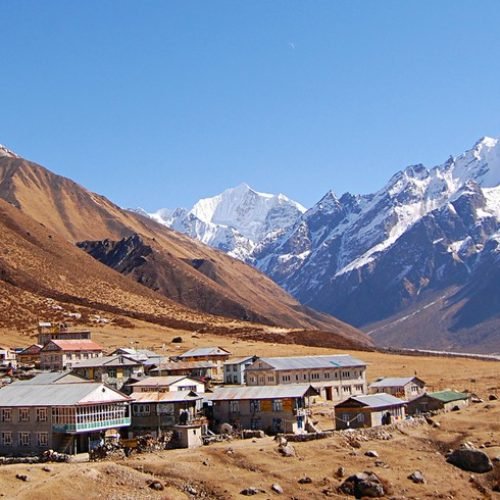
Tsum Valley is located in the Gorkha district of Nepal and is bordered by the Ganesh Himal, Sringi Himal, and Boudha Himal ranges. The valley is named after the Tibetan word ‘Tsum’, which means vivid. The name is fitting as the valley is famous for its vibrant culture, colorful landscape, and abundant natural beauty. One of the most appealing aspects of the Tsum Valley Trek is its cultural significance. The valley is home to a thriving Tibetan Buddhist community that has maintained its unique customs and traditions for centuries. Trekkers can visit the ancient monasteries, interact with the friendly locals, and learn about their rich cultural heritage.
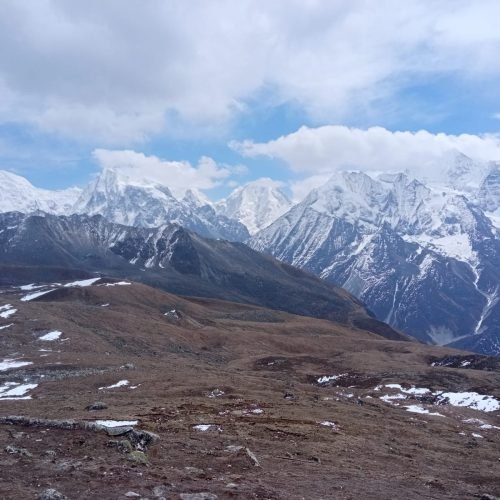
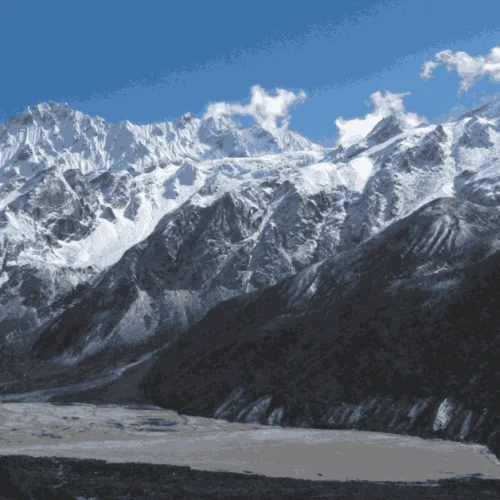
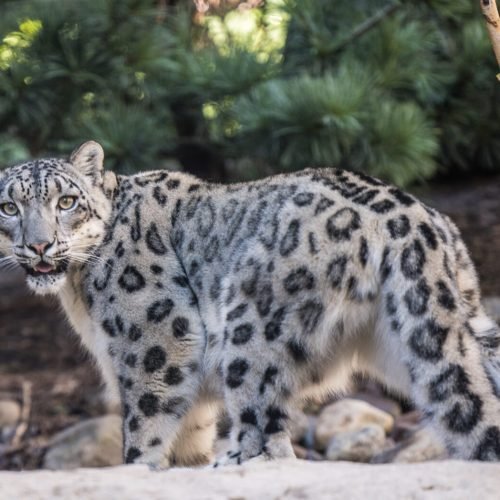
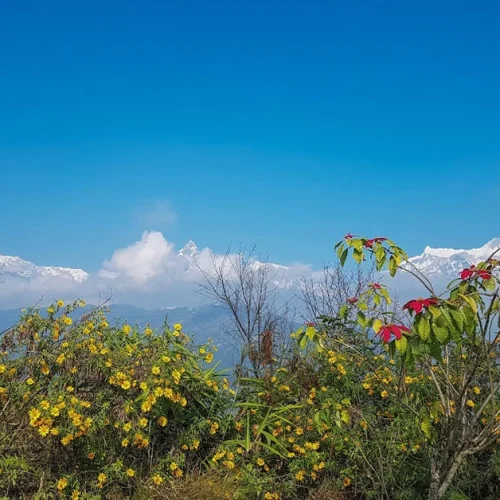
Another highlight of the Tsum Valley Trek is the opportunity to experience the region's natural beauty. The trek takes trekkers through lush forests, high mountain passes, and rolling hills that are dotted with traditional villages. Trekkers can spot various species of wildlife, including the Himalayan black bear and the Himalayan tahr, as well as various bird species. The Tsum Valley Trek is a moderate to challenging trek that requires a good level of physical fitness and endurance. The trek can be completed in 14 to 16 days and is best done from September to November or March to May. It is important to be well-prepared for the trek, as the weather can be unpredictable and the terrain can be challenging at times.
Your 15-day Tsum Valley Trek Itinerary will begin with a beautiful journey from Kathmandu to Soti Khola. You will travel through several towns and woodlands full of rhododendrons and pine trees as you follow the Budhi Gandaki River upstream in the north. You will travel to Machha Khola and subsequently Jagat from Soti Khola. You will go from Jagat in the direction of Lokpa, which is the Tsum Valley's entrance. Your Tsum Valley Trekking Route will take you from Lokpa further north to Chumling, the location of three renowned monasteries, including Pango Gumba, Gurwa Gumba, and Mani Dhungyr. Wonderful views of Manaslu (8163m), Himal Chuli (7893m), and Ganesh Himal may also be obtained from this settlement. You will depart Chumling, which is also known as lower Tsum, the next day and travel via Domje village, the biggest in the Tsum valley, to Chhokangparo, which is known as upper Tsum.
Subtropical forests provide a place for high mountain deserts as the routes gradually climb higher. With the help of the Tsum Valley Trek Map, you will head north from Chhokangparo, via the Milarepa Prien Phu Cave, then Phurbe, till you reach the Nile. Your next stop will be Mu Gompa, the northernmost point of the Tsum Valley Trek, which you will reach after spending the night at the Nile. The caves in the Tsum Valley Mountains are thought to have served as a place of meditation for the Buddhist Guru Milarepa. It is time to head back after arriving at Mu Gompa. To go to Rachen Gompa from Phurbe, you will follow a slightly different route. You will begin your journey from Rachen Gompa and proceed south until you reach Domje, where you will turn left to get to Chumling. You will return to Jagat via Lokpa after leaving Chumling. After staying the night in Jagat, you will move on to Lapu Bensi and then Soti Khola, where your Tsum Valley Trek Itinerary will conclude with a local bus ride back to Kathmandu.
We at Green Valley Nepal Treks and Research Hub are pleased to present our well-planned Tsum Valley Trek Detailed Itinerary, which will give you the experience of a lifetime. Booking is now available for 2026 and 2027. Based on your time, budget, and endurance, we are willing to modify this package to meet your requirements. For more questions regarding the Tsum Valley Trek Package Cost, please don't hesitate to contact us.
Our airport representative will welcome you when you arrive at Tribhuwan International Airport. You will be driven to the hotel in a private vehicle. You can take a little break at your accommodation and then come see us in person to learn more about the Tsum Valley Trek Itinerary.
After breakfast, your trek guide will be introduced to you at your lodging. He will go through your Tsum Valley Restricted Area Trek Permit and everything else you will need for the trek. You will need your passport, three passport-size photos, and proof of travel insurance. You might unwind or go last-minute shopping during your free time. A tour of Kathmandu's world heritage monuments, including Swayambhu, Boudha, Pashupatinath, and Kathmandu Durbar Square, may be arranged upon request.
After an early breakfast, your Tsum Valley Trek Itinerary will start with public bus travel from Kathmandu to Arughat then a shared jeep to Machha Khola. The beautiful landscapes, terraces, and verdant slopes of Langtang Himal, Annapurna, Manaslu, and Ganesh Himal will be visible to you. After traveling past farms, communities of the Gurung and Magar people, and cascading waterfalls, you will arrive at Machha Khola.
You could reach the Sal Forest by going across a magnificent suspension bridge. After leaving the jungle and crossing the Budhi Gandaki River, you will need to climb a challenging slope. Along these paths, you may observe wonderful rice fields before arriving at Labubesi village. You will eventually arrive in the village of Machha Khola, where you may relax and prepare for the following day.
There are many ups and downs along the Tsum Valley Trekking Route from Machha Khola to Jagat, making it fairly challenging. You will travel via the Tharo Khola to get from Machha Khola to Khorlabesi. Khorlabesi is another little yet lovely Gurung village. Another short steep climb will get you to Tatopani, a hot springs site where you will spend some time resting in the natural sauna. You will reach Doban after traversing the suspension bridge over the Budhi Gandaki River and climbing the stairs. Yaruphant is passed through before reaching the Yaru River.
You will pass the Cantilever bridge in Yaru Bagar, which was constructed using Swiss engineering in 2016 as a result of an earthquake. You will next bridge the Budhi Gandaki River on the western bank, ascend the mountain, and go down the river to reach Jagat village. The police checkpoint at Jagat, which serves as the entrance to the Manaslu Conservation Area, is where you will register your Tsum Valley Trek Permits.
Jagat is a sizable Gurung settlement situated on a level plain. Following this agriculturally oriented settlement, you will climb a rugged slope to Salleri, where you will be rewarded with breathtaking views of Mount Sringi. You will go through Nepal's longest suspension bridge and ascend to Lokpa, which is situated in the north of Philim, after descending to Sirdibas, a historic Buddhist hamlet. You will reach Ekle Bhatti through the dense forests after about an hour of climbing. You will reach a stunning canyon and a crossroads as you make your way up the Tsum Valley Trek Route among the pine forests. To get to Tsum Valley you will take the right-hand trail, where you will spend the night on Lokpa.
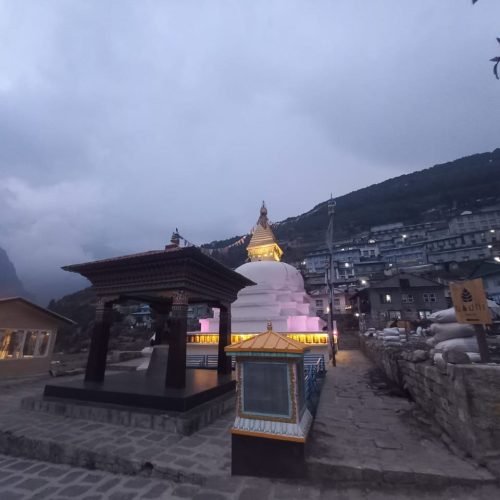
A tropical rhododendron and pine forest, which is completely silent, is traversed along the route. You will experience a number of ups and downs before arriving at a little suspension bridge. The Tsum Valley Trekking Route is rerouted through Ripchet and Chumling from this bridge. You will stroll across the bridge and continue down the path, passing a little stone wall. Ganesh Himal may be seen from a monastery at the summit of the Chumling hamlet. A few of Chumling's monasteries are Gurwa Gumba, Mani Dhungyur, and Panago Gumba. A substantial Chorten stands in the middle of the field, which improves the view of the little valley.
The day begins with a suspension bridge crossing to the bank opposite Chumling. The Tsum Valley Trekking Route follows the Syar River all the way down to Domje. You must keep climbing up from Domje in order to reach Chhokang Paro. You will reach Gho Village, which contains a neighborhood teashop, after going through Rainjam and crossing another bridge. Another two-hour climb takes you to Tsum, where you will find the charming traditional town of Chhokang Paro. On a clear day, Chhokang Paro offers a view of Himalchuli and Ganesh Himal in the distance. You will arrive at Lamagaon and then Rachen Gompa, where you are going to stay today, after traveling via Chhokang Paro.
Amazing picturesque hikes from Rachen Gompa to the Nile start after breakfast. The Nile is the location, where you will have your lunch, and then you will leave your large luggage there and take a day trip to the Mu Gompa. Your Tsum Valley Trek Route will ascend beautiful routes to Mu Gompa, the greatest monastery in the area and the highest point in Tsum Valley. Mu Gompa will astound you with its own world, which is a flat, bowl-shaped valley surrounded by mountains. Mu Gompa has neither a teahouse nor accommodation facilities. The Monastery, which does not have much space, is where those who want to remain at Mu Gompa must do so. Therefore, you will return to the Nile after visiting Mu Gompa.
You will go to Rachen Gompa today after enjoying a great breakfast at the Nile. The Tsum Valley Trek Route will then turn south and travel towards Chumling by way of Chhokangparo. A small white Gompa at Gho may be seen after two hours of hiking. You will soon find a wooden bridge over Siyar Khola on a route that descends from this monastery. You will arrive at Domje, which is home to a school and a clinic for Tibetan herbal medicine, after crossing this bridge.
You may view multiple mani walls and prayer flags from the route as you go east from Domje through a grove of pine, juniper, and rhododendron. To go to Lungdang Gompa, you must climb again through the silver pine forest. Around forty nuns reside at Gumba Lungdang, which is renowned for its ferocious puja, which lasts from 6:00 to 7:30 pm. Beautiful and breathtaking views of the surrounding mountains may be seen from the gompa.
You will go on a challenging journey today to the Ganesh Himal Base Camp. Although the walk begins with an ascent, the scenery will more than makeup for it. You will pass through smaller valleys on the Tsum Valley Trek Path. The pathways may not be evident because few people travel to Ganesh Himal Base Camp, but don't worry—our guides will show you the way. Ganesh Himal Base Camp will be reached in four hours or so. You will return to Gumba Lungdang for the night after admiring the views from Ganesh Himal Base Camp.
Your Tsum Valley Trekking Trail will return to Lokpa after a delightful stay in Gumba Lungdang. You will first descend to Domje, take the higher trail, then cross the Laudang Khola. You will go south from Domje to Ripchet, traveling through lovely, deep forests and over suspension bridges. After that, you will drop to Batti Ghumlong and then slightly rise to reach Lokpa.
Following an enjoyable night in Lokpa, your Tsum Valley Trekking Path will descend into Jagat, where you will re-join the Budhi Gandaki River. Several vistas of the mountains may be seen from the pathways. This will be a lovely and simple trip for your legs as you pass through woodlands and downward terrain. Before reaching the settlement of Sirdibas and Salleri, you must traverse a number of suspension bridges.
Following an enjoyable night in Lokpa, your Tsum Valley Trekking Path will descend into Jagat, where you will re-join the Budhi Gandaki River. Several vistas of the mountains may be seen from the pathways. This will be a lovely and simple trip for your legs as you pass through woodlands and downward terrain. Before reaching the settlement of Sirdibas and Salleri, you must traverse a number of suspension bridges
Now we can drive from Machha Khola to Kathmandu so You will board a vehicle and travel to Arughat Bazaar from Soti Khola. You will arrive in the Arughat Bazaar after some time spent driving. You may go to Kathmandu in around 7 to 8 hours by public bus from Machha khola. You will be guided to your lodging in Kathmandu by our representative. To honor the successful conclusion of the Tsum Valley Trekking Journey, we will enjoy a farewell dinner in the evening.
Departure from Kathmandu. A drop from the hotel to the airport 3 hours before the scheduled time of the flight is arranged in a private tourist vehicle. You can also opt for another package with Green Valley Nepal Treks and extend your stay.
The Tsum Valley Trek typically takes around 15 to 20 days.
The difficulty level of Tsum Valley Trek is considered moderate to challenging, as it involves long days of trekking with steep ascent and descent
The best time to visit Tsum Valley is from September to November and from March to May
Tsum Valley Trek can be challenging for first-time trekkers, but it can still be done with proper preparation and acclimatization.
Accommodation during the trek is usually in local teahouses or guesthouses, which offer basic amenities
Food during the trek is mostly local Nepalese cuisine, such as dal bhat and momos, as well as some western options like pizza and pasta.
A restricted area permit and an entry permit to the Manaslu Conservation Area are required for the Tsum Valley Trek.
The average temperature during the day is around 10-15°C, while the night time temperature can drop to below freezing point
Physical fitness is important for the Tsum Valley Trek, as it involves long days of trekking with a heavy backpack. Good cardiovascular and muscular endurance, as well as hiking and trekking experience, is recommended.
It is recommended to bring basic medical supplies, such as pain relief medication, blister plasters, rehydration sachets, and altitude sickness medication.
Essential items to pack include a good quality backpack, warm clothing, waterproof gear, sturdy hiking boots, headlamp, sun protection, personal hygiene items, and a first-aid kit.
In most teahouses and guesthouses, it is possible to charge electronic devices for a fee, but it is advisable to bring a power bank as a backup.
Cash is the most commonly accepted form of payment during the trek, so it is advisable to bring enough cash for the entire trip. Some teahouses and guesthouses may accept credit cards, but it is not guaranteed
Only works on Trip page.

Ut enim ad minim veniam, quis nostrud exercitation ullamco laboris nisi ut aliquip ex ea commodo consequat. Duis aute irure dolor in reprehenderit in