Blog

Pikey Peak Trek – 10 Days

Blog

Pikey Peak Trek – 10 Days

Pikey Peak Trek – 10 Days

1 Day
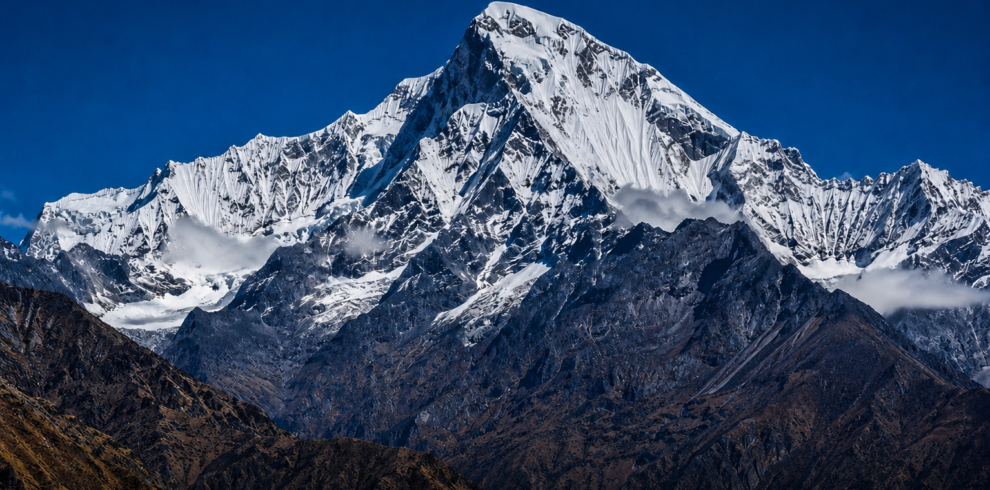
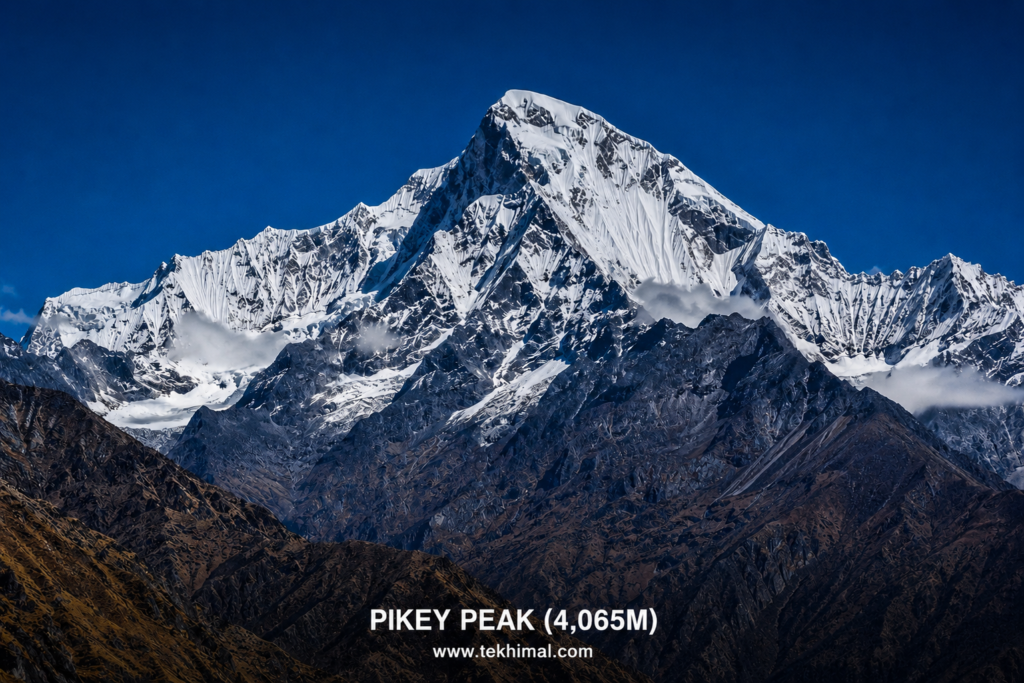
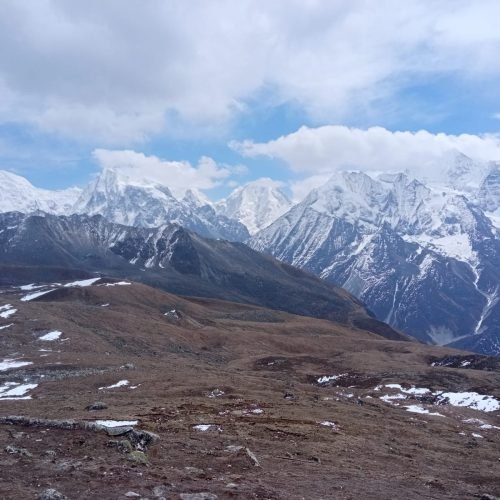
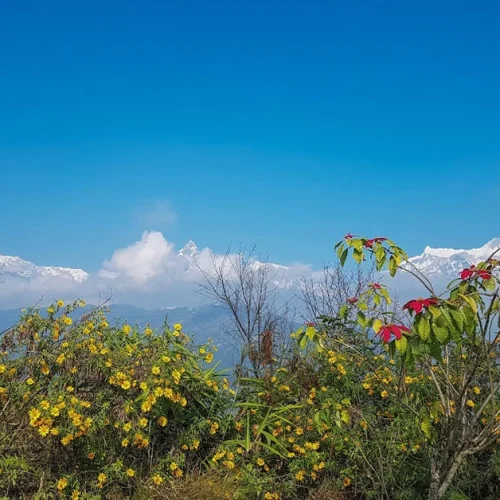
Pikey Peak (4,065m) panoramic mountain view in Nepal with stunning Himalayan scenery and Everest region vistas by Trek Himal Expedition Pvt Ltd.

Overview

Pikey Peak Trek Overview

Nestled in the heart of the Solu-Khumbu region of Nepal, the Pikey Peak Trek is a hidden gem for trekkers and adventure enthusiasts. With an altitude of 4,068 meters, Pikey Peak offers panoramic views of the Himalayan range, including Mount Everest, and an opportunity to experience the unique culture and way of life of the local Sherpa communities. The Pikey Peak Trek Itinerary is a perfect blend of natural beauty and cultural richness, making it an unforgettable adventure.

One of the best things about Pikey Peak Trek is that it is relatively less crowded compared to other popular trekking destinations in Nepal. This means that trekkers can enjoy peaceful and serene surroundings without having to deal with large crowds. Moreover, the trek offers plenty of opportunities for adventure and exploration, with options to camp out under the stars, try local foods, and meet friendly local people.

Along the Pikey Peak Trekking Trail, you will encounter the warm and friendly Sherpa people, who are known for their hospitality and mountain-climbing skills. You will have the opportunity to stay in local teahouses and interact with the locals, learning about their culture and way of life. The food in the local teahouses is delicious and made from locally sourced ingredients, adding to the overall authentic experience of the trek. The Pikey Peak Trek Nepal is considered a moderate trek and can be completed in 8 to 10 days. It is best to plan your trek between September and May, as the monsoon season (June-August) can make the trail slippery and dangerous, which will increase Pikey Peak Trek Difficulty Level. It is also recommended to hire a local guide who has in-depth knowledge of the trail, and the local culture, and can assist in case of any emergencies.

10 Days Pikey Peak Trek Itinerary will start from Dhap Bazaar, which is about 8 hours away from Kathmandu Valley. From Dhap Bazaar, you will trek through lush forests, picturesque villages, and rolling hills, passing by several monasteries, chortens, and mani walls along the way. As you reach Sigane from Dhap, you will get a view of the peaks of the Numbur Himal range. After a couple of hours from Sigane, you will reach Jhapre. After Jhapre, you will continue on the Pikey Peak Trek Route, which will ascend up to a grassy ridge at Bhulbhule and then further to Pikey Peak Base Camp.

As you reach higher altitudes, the trail becomes steeper, but the views become even more spectacular. You will be treated to panoramic views of the Himalayan range, including Mount Everest, Lhotse, Nuptse, Cho Oyu, and others. The main objective of the Pikey Peak Trek is to reach the summit of Pikey Peak (4,065m), which offers a 360-degree view of the surrounding mountains. After enjoying the sunrise view from the summit, you will descend to Jasmane Bhanjyang. Next day you will head toward Junbesi crossing Kande, Lamjura La, and Taktor. From Junbesi you can go on a side trip to Thuptenchholing Gumba. Next morning your journey will be from Junbesi to Phaplu, where you can visit Chiwong Monastery. You will conclude your Pikey Peak Trek Itinerary with a scenic flight from Phaplu to Kathmandu.

What You Can Expect from Pikey Peak Trek?

Pikey Peak Trek is a popular trekking destination in Nepal that offers a unique and thrilling experience for trekkers. Here's what you can expect from the Pikey Peak Trek:

  • One of the biggest draws of the Pikey Peak Trek is the stunning panoramic views of the Himalayas, including Mount Everest, Makalu, and other famous peaks.
  • The Pikey Peak Trek takes you through traditional Sherpa villages, providing you with a unique cultural experience and a chance to learn about the lives and customs of the local people.
  • The trek offers breathtaking landscapes, including forests of rhododendron and bamboo, alpine meadows, and stunning waterfalls.
  • The Pikey Peak Trek is considered a moderate to challenging trek and requires a good level of physical fitness. Trekkers can expect to walk for several hours each day and to climb steep inclines.
  • The Pikey Peak Trek is less crowded compared to other popular trekking destinations in Nepal, making it an ideal choice for those who seek a peaceful and solitary experience in the mountains.
  • The local Sherpa communities along the trail are friendly and welcoming and are eager to provide support and hospitality to trekkers.

Is Pikey Peak Trek Suitable For You?

The Pikey Peak Trek is considered a moderate to challenging trek and requires a good level of physical fitness. Here are some factors to consider when deciding if the Pikey Peak Trek is suitable for you:

  • Physical fitness: To complete the Pikey Peak Trek, you should have a good level of physical fitness and be prepared to walk for several hours each day and climb steep inclines. If you are not used to strenuous physical activity, it is recommended to start training several months before the trek.
  • Altitude: The Pikey Peak Trek takes you to an altitude of 4,065 meters, so you should be aware of the risks associated with high-altitude trekking and take the necessary precautions. If you have a history of altitude sickness, it is important to consult your doctor before embarking on the trek.
  • Experience: No prior trekking experience is necessary, but it is helpful to have some experience in hiking and camping. If you are a first-time trekker, it is recommended to start with a shorter trek before attempting the Pikey Peak Trek.
  • Time: The Pikey Peak Trek usually takes 8 to 10 days to complete, depending on the route and pace of the trek. Make sure you have enough time in your schedule to complete the trek and allow for any potential weather-related delays.
  • Budget: Trekking in Nepal can be expensive, so you should budget for the cost of equipment, food, accommodation, permits, and any other expenses associated with the trek.
  • Mental preparation: Trekking can be mentally challenging, as you will be walking for several hours each day in a remote and isolated environment. It is important to be prepared for this and to have a positive and determined attitude.

Preparation for Pikey Peak Trek

Preparation is an important part of ensuring a successful and enjoyable Pikey Peak Trek. Here are some steps you can take to prepare for the trek:

  • Physical fitness: To prepare for the physical demands of the trek, it is recommended to start training several months before the trek. This can include activities such as hiking, running, cycling, and weight training. It is also important to acclimatize to the altitude by doing shorter treks before attempting the Pikey Peak Trek.
  • Mental preparation: Trekking can be mentally challenging, so it is important to be prepared for the experience and to have a positive and determined attitude. This can include setting realistic expectations, preparing for unexpected setbacks, and staying focused on your goals.
  • Gear and equipment: It is important to have the right gear and equipment for the trek, including good quality hiking boots, warm clothing, a sleeping bag, a waterproof jacket and pants, a headlamp, a water bottle, and a backpack. You can either purchase or rent the gear in Kathmandu or other major cities in Nepal.
  • Travel insurance: It is recommended to have comprehensive travel insurance that covers medical expenses, evacuation, and trip cancellation. Make sure to check the policy details and exclusions, and carry your insurance certificate with you on the trek.
  • Permits: The Pikey Peak Trek requires a TIMS (Trekkers' Information Management System) card and a Solu-Khumbu (Everest) National Park Permit, which can be obtained in Kathmandu or in the park entrance.
  • Health: Before embarking on the trek, it is recommended to visit a doctor and get a thorough medical check-up, especially if you have any pre-existing medical conditions. You should also bring any necessary medications with you and be aware of the risks associated with high-altitude trekking.
  • Cultural sensitivity: When trekking in Nepal, it is important to be culturally sensitive and to respect the local customs and traditions. This includes dressing modestly, removing shoes when entering temples and homes, and avoiding littering and other forms of pollution.
  • Useful Info
  • Pikey Peak Trek Best Time, Season, Months
  • It is possible to hike to Pikey Peak at any time of year, but different seasons will provide you with varied vistas, environments, and experiences. Autumn, spring, summer, and winter are Nepal's four main seasons. Each of these seasons has its own benefits and drawbacks. You may determine the ideal time for your walk by taking this into consideration.
  • Autumn Season (September to November)
  • The ideal season for the Pikey Peak Trek is said to be autumn. It is also called the post-monsoon season since trekking during this time of year would result in the least amount of rain. However, you need to take some caution when hiking in September since you may encounter some moderate rain. Autumn has moderate weather and temperatures that are good for hiking. In the Everest area, the daily temperature ranges from 9 to 15 degrees. As you hike to a greater altitude, you will notice a modest drop in temperature. The nights are chilly as usual, but wearing some warm clothing can help. Autumn provides the best weather and temperatures for the Pikey Peak Trek.
  • Spring Season (March to May)
  • The second-best season for trekking Pikey Peak is spring. It is said to be the season of the year when nature is at its most beautiful. The pre-monsoon season is spring, and this is the time of year when nature restores its lost beauty. This is the season when new plants sprout and flowers flourish. During this time of year, when you hike up Pikey Peak, you may view rhododendron woods all around you. Due to the pleasant weather and temperatures offered throughout the spring, there are more hikers than usual. During this season, the daily highs fluctuate between 10 and 20 degrees. It's possible that this time won't see any rain.
  • Food or Meal Availability on Pikey Peak Trek
  • All of our lodging options in Kathmandu have a bed and breakfast option. The same hotel also offers lunch and dinner, but at an additional expense. However, Kathmandu is home to a huge number of eateries. You may thus select one of them that suits your tastes and eat there. We will provide 8 Breakfasts, 7 Lunches, and 8 Dinners during the Pikey Peak Trekking adventure. Lunches are typically offered en way to the other location, while breakfasts and dinners are typically served at the same teahouse or lodge where you will spend the night. The Nepalese meal is the most popular and consumed, as well as the services are quite basic. The most popular menu items are momos, noodles, eggs, chapatis, potatoes, and dal bhat (rice with lentil soup and seasonal vegetables).
  • Accommodation Facility on Pikey Peak Trek
  • Teahouse trekking is available on the Pikey Peak Trek. On the walk, you may spend the night at teahouses and lodges that are located in various locations. Although the services in the tea houses are nice, they are extremely basic. The majority of tea houses provide rooms on a twin-sharing basis. If you feel comfortable doing so, you can share a room with another trekker. The tea houses include a communal dining area where you may unwind, use your electronic devices to browse the internet or interact with other trekkers. Teahouses offer laundry services and hot showers in addition to meals and lodging. Wi-Fi, additional blankets, boiling water, hot showers, and laundry are supplementary amenities that will cost you extra money. Teahouse prices vary depending on the location and amenities/services they offer. Prices for a single room range from USD 2 to USD 15.
  • Pikey Peak Trek Difficulty Level
  • The difficulty level of the Pikey Peak Trek in Nepal depends on several factors, including the physical fitness and hiking experience of the individual, weather conditions, and trail conditions. In general, the trek is considered to be of moderate difficulty, with some steep ascents and descents, and long days of hiking. It's important to be physically fit and properly acclimatized to the altitude before attempting this trek. Additionally, having previous trekking experience can be beneficial, as the trail can be challenging, and navigating it requires good map-reading skills and the ability to follow trail markers.
  • It's also important to be prepared for the unpredictable weather conditions in the mountains, which can be very different from those at lower elevations. It's recommended to carry proper gear and clothing, including warm layers, rain gear, and a good quality sleeping bag, to ensure a safe and comfortable trek. Overall, the Pikey Peak Trek is a rewarding and beautiful journey, but it is not for beginners and those without prior experience should consider hiring a guide.
  • Requirement of Travel Insurance on Pikey Peak Trek
  • It is highly recommended to have travel insurance for the Pikey Peak Trek. Travel insurance can provide coverage for unexpected medical expenses, emergency evacuation, trip cancellation, and other types of travel-related risks. Here are some of the reasons why travel insurance is important for trekking in Nepal:
  • Medical emergencies: Trekking at high altitudes can pose health risks, such as altitude sickness, hypothermia, and other medical emergencies. Travel insurance can provide coverage for medical expenses, including transportation to the nearest hospital or clinic.
  • Emergency evacuation: In the event of a medical emergency, travel insurance can also provide coverage for emergency evacuation by helicopter or other means of transportation.
  • Trip cancellation: If you have to cancel your trek due to unexpected circumstances, such as illness, injury, or a family emergency, travel insurance can provide coverage for trip cancellation fees and lost deposits.
  • Loss or theft of gear: Travel insurance can also provide coverage for the loss or theft of gear, including your backpack, camera, and other valuable items.
  • Travel disruptions: In the event of a natural disaster, political unrest, or other travel disruptions, travel insurance can provide coverage for additional expenses, such as hotel and food costs, and can help to arrange alternative travel arrangements.
  • It is important to note that not all travel insurance policies are created equal, and it is important to carefully review the policy details and exclusions before purchasing. When selecting a travel insurance policy, make sure to choose a policy that covers medical expenses, emergency evacuation, trip cancellation, and other relevant risks.
  • Altitude Sickness and Remedies during Pikey Peak Trek
  • Altitude sickness, also known as acute mountain sickness (AMS), is a common condition that can occur when trekkers or climbers rapidly ascend to high elevations. It occurs because the body needs time to adjust to the lower levels of oxygen at high altitudes. Symptoms of altitude sickness can include headache, dizziness, fatigue, shortness of breath, loss of appetite, nausea, and insomnia. In severe cases, altitude sickness can lead to more serious conditions, such as high-altitude cerebral edema (HACE) or high-altitude pulmonary edema (HAPE). Here are some tips to help prevent and treat altitude sickness during the Pikey Peak Trek:
  • Gradual ascent: The most important factor in preventing altitude sickness is to acclimate to the altitude gradually. This means taking your time to acclimate and avoiding rapid ascents, especially above 3,000 meters (9,843 feet).
  • Hydration: Staying hydrated is important for preventing altitude sickness, as well as for overall health. Drink plenty of water and avoid alcohol, which can dehydrate you.
  • Proper nutrition: Eating a healthy and well-balanced diet can help your body adjust to the altitude and prevent altitude sickness.
  • Rest: Getting enough rest is also important for preventing altitude sickness. Take breaks when you feel tired, and avoid overexertion.
  • Medications: Some medications, such as acetazolamide and ibuprofen, can be used to help prevent or treat altitude sickness. However, it is important to consult with a doctor before taking any medication, as some medications can interact with other medical conditions or medications you are taking.
  • Descend: If you experience symptoms of altitude sickness, the best remedy is to descend to a lower elevation. In severe cases, you may need to be evacuated to a lower elevation or to a medical facility for treatment.
  • Pikey Peak Trek Packing List, Gears, Equipment
  • For trekking, there is a rather large list of necessities. Your travel experience as a whole may be impacted by what you bring with you. Therefore, be careful not to skimp on the name or quality of the equipment when buying any kind of gear.
  • Backpack: A comfortable and well-fitting backpack is essential for carrying your gear during the trek. Choose a backpack with a capacity of at least 40-50 liters.
  • Sleeping bag: A good quality sleeping bag is important for staying warm at night, especially at higher elevations. Choose a sleeping bag that is rated for temperatures at or below freezing.
  • Tent: If you are camping, a lightweight tent is recommended. If you are staying in teahouses, a tent may not be necessary.
  • Clothing: Bring warm, moisture-wicking clothing for the trek, including long underwear, a fleece jacket, a warm hat, gloves, and a waterproof jacket. It is also important to bring comfortable clothing around camp, such as a down jacket and warm pants.
  • Footwear: A good pair of hiking boots or shoes is important for the trek, as well as a pair of comfortable camp shoes or sandals. Make sure your footwear is well broken in before the trek to prevent blisters.
  • Headlamp: A headlamp is essential for navigating in the dark and for early morning starts. Make sure to bring extra batteries.
  • Water bottles: Bring at least two water bottles for the trek, as well as a water purification system, such as a water purification straw or drops.
  • First aid kit: A small first aid kit should include items such as pain relievers, blister treatment, bandages, and any personal medications.
  • Sun protection: Bring sunglasses, a hat, and high-SPF sunscreen to protect yourself from the sun.
  • Miscellaneous: Other items to bring include a camera, a book or journal, a toothbrush and toothpaste, a lighter, and a multi-tool or knife.
  • It is important to pack light and only bring what you need for the trek. Remember to pack your gear in a waterproof bag to protect it from rain or moisture. Here are some more items to consider adding to your packing list: Recommended Packing List for Nepal Trekking
  • Pikey Peak Trek Guide and Safety
  • A guide can be a valuable resource on the Pikey Peak Trek, providing information and support along the way. Here are some benefits of hiring a guide for the Pikey Peak Trek:
  • A guide has extensive knowledge of the area and can provide information about the local culture, history, and environment. They can also help identify local flora and fauna and provide insights into the trek itself.
  • A guide is trained in safety and is experienced in dealing with the various challenges that may arise on the trek. They can help you avoid danger and make decisions in case of an emergency.
  • A guide can handle the logistics of the trek, such as arranging transportation, booking teahouses, and managing the flow of the trek.
  • A guide can navigate the trail and help you find your way, especially if you are not familiar with the area.
  • If you are not familiar with the local language, a guide can help you communicate with the local people and make arrangements along the way.
  • A guide can help to manage the dynamics of a group, ensuring that everyone stays on schedule and that everyone is comfortable and happy.

Highlight

Highlights

  • With an altitude of 4,068 meters, the summit of Pikey Peak offers breathtaking panoramic views of the surrounding mountain ranges, including Mount Everest, Lhotse, Cho Oyu, and Makalu.
  • The trek provides an opportunity to interact with the local Sherpa people and learn about their daily life, culture, and customs. These friendly and hospitable people are known for their deep spiritual connection with the mountains and their strong community bonds.
  • The trail to Pikey Peak passes through dense forests, charming villages, and sprawling farmlands, providing a glimpse into the lifestyle of the local communities. As you gain altitude, the scenery becomes more dramatic, with the mountain vistas growing more and more awe-inspiring with each step.
  • Pikey Peak Trek is relatively less crowded compared to other popular trekking destinations in Nepal, which means that trekkers can enjoy peaceful and serene surroundings without having to deal with large crowds.
  • The trek offers plenty of opportunities for adventure and exploration, with options to camp out under the stars, try local foods, and meet friendly local people.
  • With its rich cultural heritage, the Pikey Peak Trek provides a unique cultural experience that is truly unforgettable
  • The trail to Pikey Peak is relatively easy and can be completed in five to seven days, making it ideal for both seasoned trekkers and first-timers.
  • The trail to Pikey Peak passes through diverse ecosystems, ranging from subtropical forests to alpine meadows, which are home to a variety of flora and fauna, including rare and endangered species.
  • The summit of Pikey Peak is the perfect place to witness breathtaking sunrise and sunset views, with the sun illuminating the surrounding mountain ranges and creating a truly unforgettable spectacle.
  • The tranquility and peacefulness of the Pikey Peak Trek make it an ideal place for meditation and spiritual reflection. The natural beauty and serenity of the surroundings provide the perfect backdrop for a spiritual journey.

Pikey Peak Trek Itinerary

When you arrive at the Kathmandu International Airport, a representative from Green Valley Nepal Treks will welcome you and drive you to one of the city's three-star hotels. You may take a nap at your hotel or wander through Thamel to finish off any last-minute shopping. Following that, you may come and see us at our office to learn more about the Pikey Peak Trek itinerary.

You will travel from Kathmandu to Dhap Bazaar on the first part of your Pikey Peak Trek itinerary via road. To get to Ghurmi Village, continue traveling along the road that runs alongside the Sunkoshi River. Along the route, you may take in the Nepali countryside's dynamic landscape of thick woods, terraced rice fields, and countless flowing rivers. Once you get to Dhap Bazaar, you may take a leisurely stroll among the marketplaces.

Your Pikey Peak Trek will begin at Dhap Bazaar. The peaks of the Numbur Himal range will be visible as you make your way to Sigane. The first couple of hours of the journey from Sigane will be spent traveling along a road that is still being built. The name of the first settlement you will encounter is Jhapre (2920 m). It has wonderful views of Everest and the Numbur Himal from over a deep valley. There is a stupa and a cute tiny Buddhist monastery. You will make a night's stay at Jhapre.

Following Jhapre, the Pikey Peak Trekking Trail ascends to a grassy ridge at Bhulbhule. You will also enjoy lovely views of the Everest range from there. The path splits just beyond Bhulbhule, and you will turn right to Pikey Peak. A lengthy mani stone wall and several ancient yak homes are both on your path. The route then winds through a lovely woodland track as it follows the contour of the slope below Taklung Danda. Along a flat route, rhododendron trees may be seen in abundance here (which you can see in bloom if trekking in the spring). Reaching Pikey Peak base camp takes about two hours once you have left the jungle.

One of the best moments of your Pikey Peak Trekking journey will take place today. To reach Pikey Peak in time to see the sunrise, an early morning start is required. The route is simple; it ascends straight away from Base Camp and carves a path through the mountain's western face. You will be rewarded with views of the majestic Himalayan peak Thamserku (6623m), which dominates the skyline, as the sun begins to rise. A little distance after turning the curve, you will see prayer flags flapping in the wind and Pikey Peak's peak just out of your grasp.

Looking behind you, you will see Mt. Everest and an incredible view of the Himalayan range, which includes six additional 8,000-meter peaks as far as the eye can reach: Lhotse, Makalu, Annapurna, Manaslu, Kanchenjunga, and Dhaulagiri. After reaching the summit, you will return to Base Camp. A rise through a pine grove will make up the first section. The air is crisp, clean, and light. You will spend most of the day above 3600 meters. From Base Camp, you will go to Jasmane Bhanjyana for an overnight stay.

You will go into the forest on the Pikey Peak Trekking Trail after breakfast. You will pass across the meadow after the woodland. After that, you will reach Taktor, where you may eat lunch. The journey will then continue on a broad gravel road into Junbesi. You may visit a Buddhist Monastery before getting to Junbesi. Beautiful tea houses and a Buddhist stupa may be seen at Junbesi. The Sherpa, Magar, and Tamang people live in this village. The sight of rivers, a lively monastery, and snow-capped hills greet you as you enter Junbesi, a mountain sanctuary. After the last few days of trekking, you will have a bigger selection of teahouses to choose from, and it's a terrific spot to rest and unwind.

Even though you might easily spend the entire day admiring the views from Junbesi, you should definitely take the short excursion up to Thuptenchholing Monastery. One of Nepal's biggest monasteries, it is perched high above the valley and is home to a majority of female monks. You may peek inside the buildings' internal areas and visit the kitchens. The monks are courteous, hospitable, and inviting, and it's an interesting location to explore.

Another option is to trek through a forest for two to three hours till you come to an extremely high-perched ridgeline. The valley floor is far, far below you if you gaze down, but if you look forward, you will be rewarded with breathtaking vistas of Ama Dablam and Mount Everest. This ridgeline is great for long walks and is a really rewarding excursion. It might be feasible to do both of these hikes in a single day if you have the energy.

You will descend the dusty Pikey Peak Trekking Trail via the Junbesi Khola after breakfast till you get to a steel suspension bridge. You will arrive in Beni Ghat once you have crossed the bridge. Before arriving at Phaplu, you will continue your Pikey Peak Trekking Journey over the route that is full of picturesque delights. At Phaplu, you will partake in a traditional Sherpa cultural event while enjoying the local food and drink.

You will return to Kathmandu today by sharing a Jeep from Phaplu. We leave early this morning from Phaplu (about 5:00 AM). After about 8 to 9 hours of driving, we will reach Kathmandu. Once in Kathmandu, you will be taken to the hotel after a brief flight. You are free to relax and wander around for the remainder of the day. The company will organize a farewell dinner in the evening to commemorate the successful completion of the Pikey Peak Trek itinerary

One of our staff members will drive you to the airport for your international flight to your hometown in accordance with your travel itinerary.

Included / excluded

  • Pick up from Kathmandu International Airport by private vehicle
  • 2 night’s standard hotel accommodation
  • Breakfast, lunch, and dinner with tea during the trek
  • All-night lodges/homestay accommodation during the trek.
  • One English-speaking professional guide including his food, salary, accommodation, equipment, medicine, insurance, etc
  • All necessary permits and entry fees for the Pikey Peak trek
  • Bus ticket to Dhap Bazaar (Trek start point) from Kathmandu
  • Sharing jeep to Kathmandu from Phaplu (trek endpoint)
  • All government taxes and service charges
  • Green Valley Nepal T-Shirt
  • Green Valley Nepal Treks duffle bag (if needed)
  • Farewell Dinner
  • International airfare, Nepal visa fee, and any kind of insurance
  • Lunch and Dinner in Kathmandu
  • Porter to carry your luggage, if you would like to take a porter it will cost you USD 180 per porter one porter can share between two trekkers
  • Private Jeep to Dhap ( Trek starting point ) and from Phaplu to KTM ( it cost USD 400 for a Jeep both way )
  • Tips for Guide and Porter (it is expected at the end of Pikey Peak Trek).

Gallery

FAQ's

FAQs

What is the difficulty level of the Pikey Peak Trek?

The Pikey Peak Trek is considered to be a moderate to challenging trek, with several steep climbs and descents along the way. Trekkers should have a good level of physical fitness and be prepared for a multi-day hike at high elevations.

How long does the Pikey Peak Trek take?

The Pikey Peak Trek typically takes 7 to 10 days, depending on the itinerary and the pace of the trekker. The trek can be shortened or lengthened to accommodate individual needs and interests.

What is the best time to trek to Pikey Peak?

The best time to trek to Pikey Peak is from September to November and from March to May. During these months, the weather is clear and the views are excellent.

What is the maximum altitude of Pikey Peak?

The maximum altitude of Pikey Peak is 4065 meters (13324 feet).

Is there an entrance fee for the Pikey Peak Trek?

Yes, there is an entrance fee for the Pikey Peak Trek. The fee is used to maintain the trails and support the local communities. The amount of the fee may vary depending on the time of year and the government regulations.

Is there cell phone coverage on the Pikey Peak Trek?

Cell phone coverage can be limited on the Pikey Peak Trek, especially in remote areas. Some areas may have spotty coverage, while others may not have any coverage at all. It is recommended to bring a satellite phone or other means of communication in case of an emergency.

What should I do if I experience altitude sickness on the Pikey Peak Trek?

If you experience symptoms of altitude sickness, it is important to stop climbing and descend to a lower elevation as soon as possible. You can also take medicine for altitude sickness and drink plenty of fluids. It is important to listen to your body and seek medical attention if necessary.

Is it necessary to carry a sleeping bag for the Pikey Peak Trek?

Carrying a sleeping bag is not necessary for the Pikey Peak Trek, as most teahouses along the trail provide blankets and bedding. However, if you prefer to have your own sleeping bag, it is recommended to bring a lightweight, compact model that can be easily carried in your backpack.

What kind of food is available on the Pikey Peak Trek?

The food available on the Pikey Peak Trek is typically simple and nutritious, such as rice, lentils, vegetables, and eggs. Some teahouses also offer meat dishes and snacks, such as noodles and baked goods. Trekkers with special dietary requirements can usually make arrangements with the teahouses in advance.

Only works on Trip page.
Our Customer Reviews

Pikey Peak Trek – 10 Days
From $2000
/ Adult
  • Unbeatable Value Assurance - ( Discover extraordinary adventures )
  • Effortless Reservation Process - ( No booking hassles )
  • Transparent Pricing, Zero Surprises - ( No hidden costs )
  • Expertise Beyond Measure - ( Team of seasoned experts )
  • Your Joy, Our Priority - ( Happiness Commitment )
Create an Account

Lost your password?

Ut enim ad minim veniam, quis nostrud exercitation ullamco laboris nisi ut aliquip ex ea commodo consequat. Duis aute irure dolor in reprehenderit in

Address

184 Mayfield St. Hopewell
Junction, NY 12533

Phone

Email