Tsum Valley Trek Overview
Tsum Valley Trek – 15 Days
The Tsum Valley Trek is a 15-day journey into the remote Himalayan landscapes of northern Gorkha, Nepal. Following trails in the Manaslu region, this trek passes through traditional villages, forested valleys and high mountain settlements, with opportunities to experience the area’s Tibetan-influenced Buddhist culture.
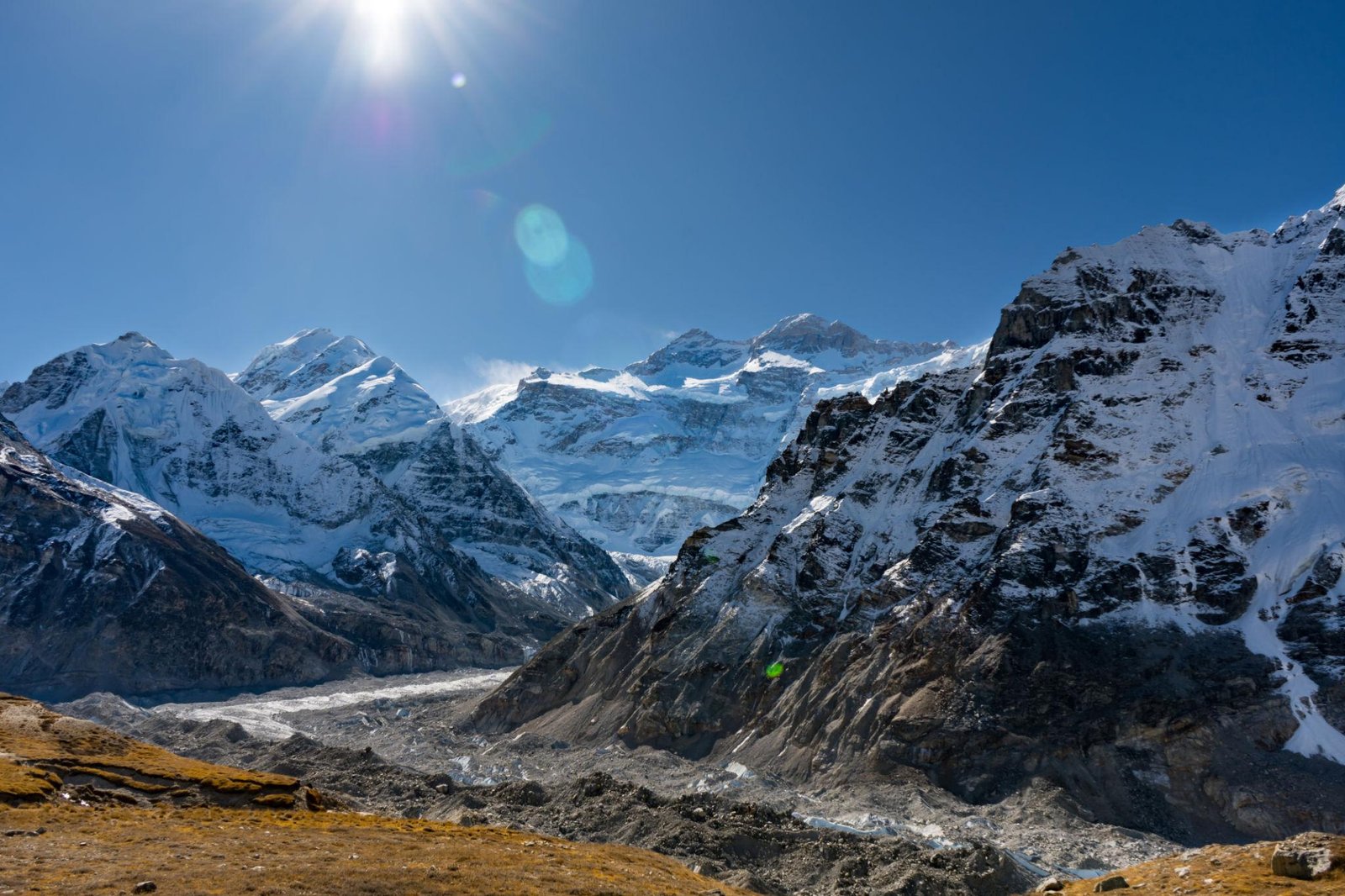
Away from Nepal’s busier trekking routes, Tsum Valley offers a quieter Himalayan experience. Walk alongside the Budhi Gandaki River, meet local communities and visit historic monasteries, including Mu Gompa and Rachen Gompa. The route also offers mountain scenery, with views of peaks such as Ganesh Himal, Sringi Himal and Manaslu.
Tsum Valley Trek Route
Your journey begins with a drive from Kathmandu to Soti Khola. From there, the trail follows the Budhi Gandaki River upstream through Machha Khola and Jagat to Lokpa, the entrance to Tsum Valley.
Continue through Chumling, with its local monasteries and mountain views, before climbing to Chhokangparo in Upper Tsum. The landscape changes as the trail rises from forested slopes to more open, high-altitude terrain. From Chhokangparo, trek through Phurbe and Nile toward Mu Gompa, one of the northernmost settlements and monasteries on the route. You can also visit Piren Phu Cave, associated with the Buddhist teacher Milarepa.
The return journey includes Rachen Gompa and nearby villages before reconnecting with the trail at Chumling. Continue via Lokpa and Jagat to Soti Khola, then travel back to Kathmandu.
Culture and Scenery Along the Trek
Tsum Valley is home to communities with deep-rooted Tibetan Buddhist traditions. Along the trail, you’ll see monasteries, prayer walls and traditional villages, and have the chance to learn about local customs and daily life.
The scenery shifts throughout the trek, from river valleys and wooded trails to mountain villages and open highland landscapes. This blend of cultural discovery and Himalayan scenery makes the Tsum Valley Trek a memorable choice for trekkers seeking a less-traveled route.
Difficulty and Best Time to Trek
The Tsum Valley Trek is generally considered moderate to challenging. Expect several days of walking on uneven trails and at higher elevations, so good fitness and preparation are important. Spring, from March to May, and autumn, from September to November, are generally preferred trekking seasons. Weather and trail conditions can change, so allow flexibility in your travel plans.
Plan Your Tsum Valley Trek with TrekHimal
TrekHimal Expedition can help you plan a 15-day Tsum Valley Trek around your travel dates, budget and trekking experience. Contact our team for the latest itinerary, permit arrangements, package details and trail access information before confirming your departure.
Benefits of Booking Tsum Valley Trek with us
- International and Domestic Airport Pickup and Drop-off service , Duffle Bag
- Trek T-Shirt
- Free Tsum Valley Trek Map
- An Oximeter to Check Blood Oxygen Saturation Levels.
- Medical Kits – Which May Be Necessary In Certain Cases.
- Free Excess Luggage Storing At Trekhimal Expedition Pvt Ltd During The Trek
Highlights
- Explore several chortens, monasteries, and gompas as you stroll through Manaslu Region's off-the-beaten-path regions.
- Gain a better understanding of the less-traveled Tsum Valley while being directly influenced by Tibetan Buddhism
- Witness Hiunchuli, Ganesh Himal, Manaslu, and Poshyop Glacier from a vantage point high in the mountains.
- Explore the various suspension bridges, waterfalls, and cascading rivers.
- Meet the natives, and the lamas, and learn about their distinctive way of life, Buddhist Mani walls, ancient Buddhist monasteries and Nunnery, and picturesque villages with traditional houses.
- Get the chance to tour the amazing secret landscape where Milarepa and Guru Rinpoche practiced meditation in a number of caves.
- Enjoy being in this amazing place, which is both culturally and geographically intriguing
- Discover the Tsumbas, who are Tibetan-descent people who live in the Buri Gandaki valley and whose language, attire, and rituals are mostly Tibetan.
- The Buddhist lifestyle of the inhabitants of Tsum Valley, as well as the region's pristine fauna in general due to the Buddhist hunting prohibition, make it an outstanding highlight.